

Where the soul of the forest whispers in the mist
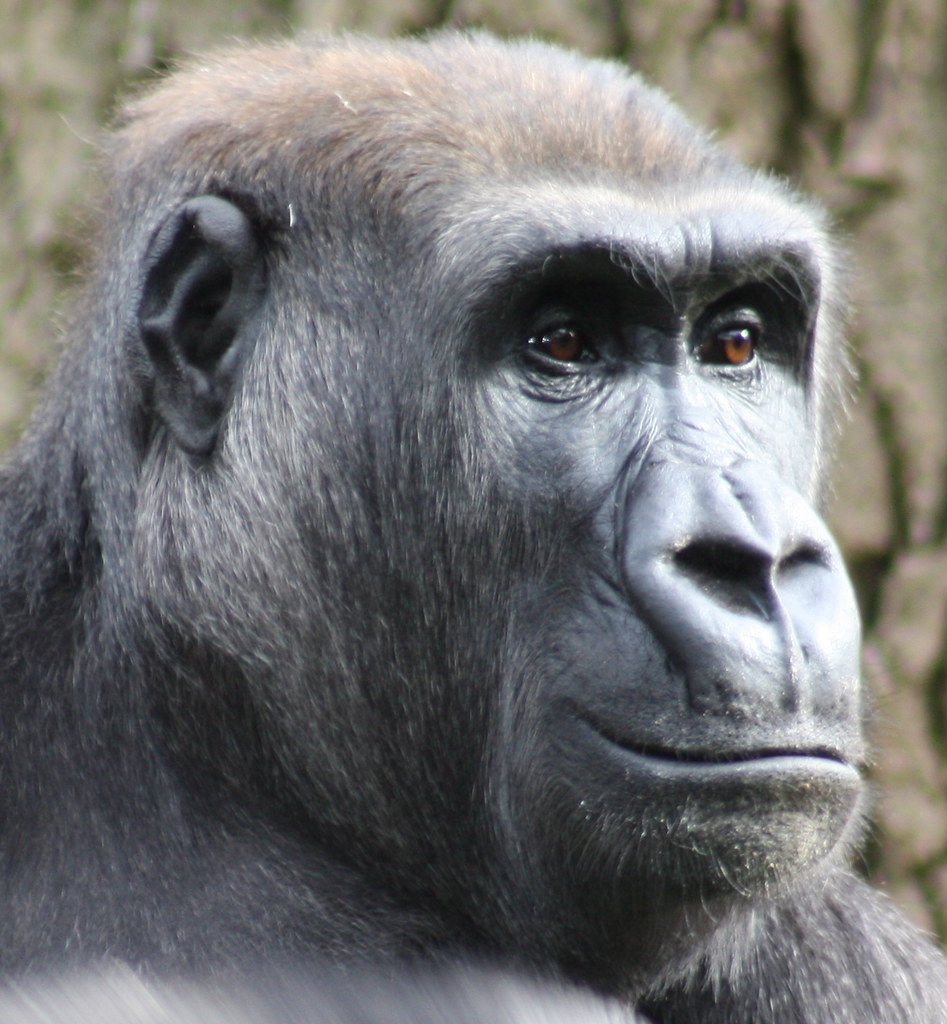
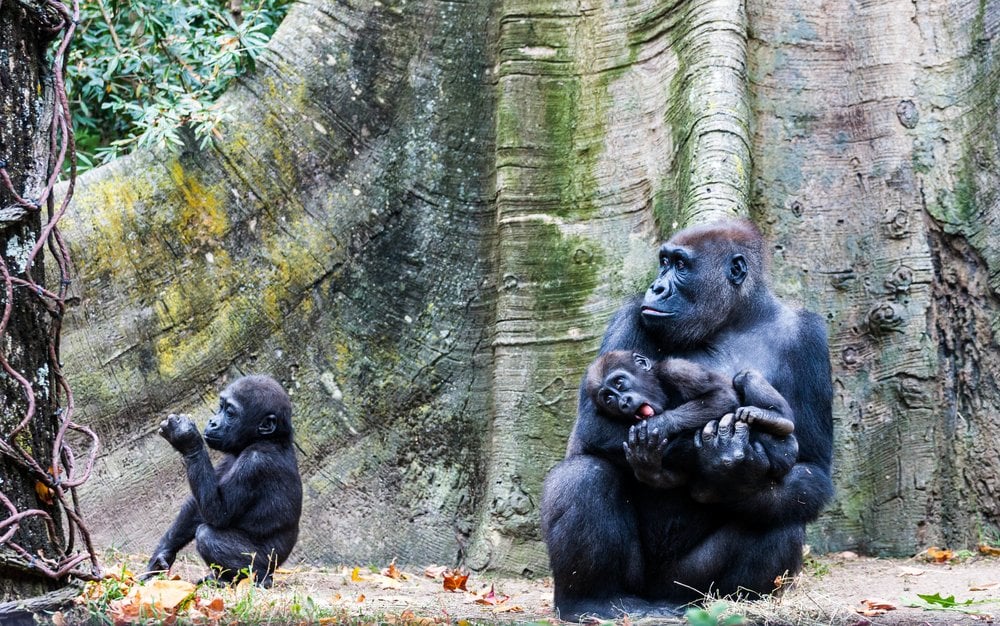
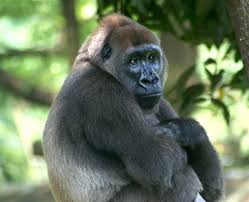
Cross River gorillas (Gorilla gorilla diehli) are among the rarest and most secretive of all great apes, confined to a narrow stretch of dense, rugged forest along the Nigeria–Cameroon border. With fewer than 300 individuals estimated in the wild, their populations are highly fragmented, inhabiting isolated patches of montane and lowland rainforest that make sightings exceptionally rare. These critically endangered gorillas are vital to the ecological health of their habitats, dispersing seeds, maintaining plant diversity, and aiding forest regeneration. Their elusive behavior, combined with the challenging terrain they occupy, makes encounters both deeply rewarding and profoundly humbling for researchers and adventurous wildlife enthusiasts. Conservation of the Cross River gorilla is a delicate balancing act, relying on anti-poaching measures, habitat protection, and cross-border collaboration to ensure the survival of this extraordinary species for future generations.
Protecting Cross River gorillas is an urgent conservation priority, as their survival is threatened by habitat loss, hunting, and expanding human activity in forested areas. Governments, NGOs, and local communities are working together to safeguard these critically endangered primates through a combination of anti-poaching patrols, restoration of forest corridors, and carefully managed eco-tourism programs that provide economic incentives for conservation. Scientific research on Cross River gorillas sheds light on their social organization, foraging strategies, and adaptations to steep, fragmented forests, emphasizing their ecological significance. As both a flagship species and a symbol of biodiversity, the Cross River gorilla embodies the intricate connections between wildlife, forests, and human stewardship, illustrating why concerted conservation action is essential for their continued existence.
So lace up your boots, grab your camera, and prepare to meet the wild — this is where your gorilla trekking dreams and unforgettable safari adventures truly begin.
Truly Iconic Highlights in Uganda

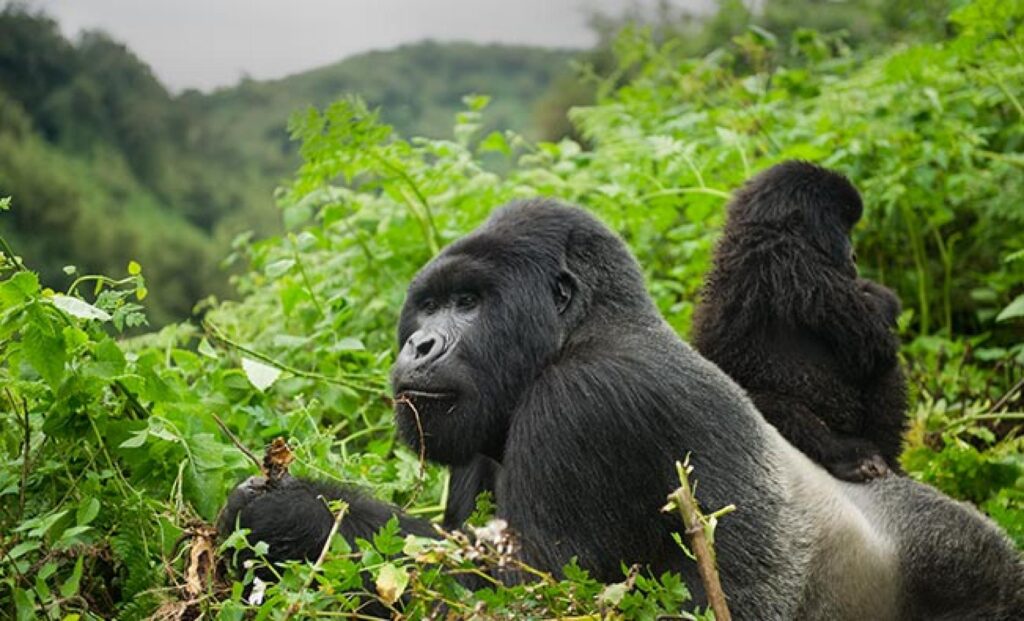
Trek through Bwindi’s mystical rainforest and meet the endangered mountain gorillas in their breathtaking natural home.
Encounter mountain gorillas and golden monkeys on Mgahinga’s misty volcanic trails, where culture and alpine wildlife thrive together.
Unwind after your trek with a peaceful canoe ride across Lake Bunyonyi, Uganda’s most tranquil and scenic highland lake.
Enhance your gorilla trekking safari with an optional chimpanzee encounter in Uganda’s lush forests, adding depth and diversity to your primate adventure
Gorilla Trekking Tours in Uganda – Our Most Popular Itineraries.
Explore our gorilla trekking safaris for every traveler—solo, family, budget, or luxury. All tours include permits, transport, accommodation, meals, and park fees. Whether for a quick trip or a deeper adventure, we’ve got you covered.
3-Day Bwindi Gorilla Trekking Safari
3-Day Bwindi Gorilla Trekking Safari
4-Day Uganda Gorilla Trekking Safari
4-Day Uganda Gorilla Trekking Safari
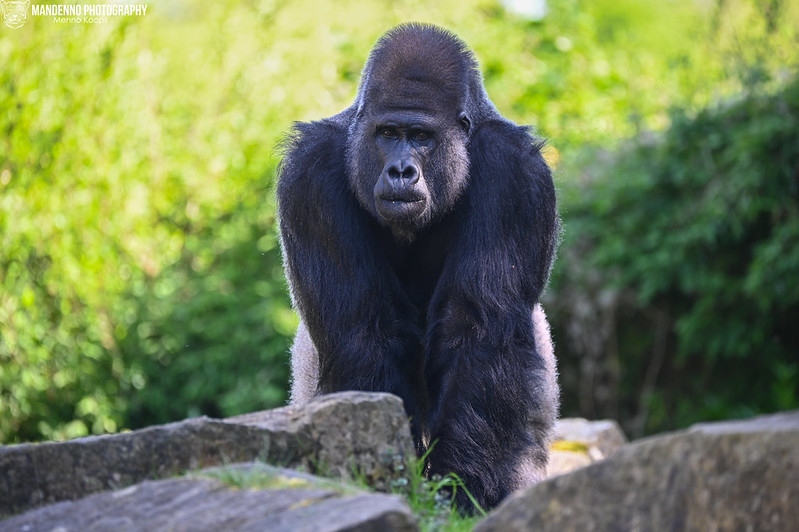
5-Day Gorilla Tracking and Wildlife Safari
5-Day Gorilla Tracking and Wildlife Safari
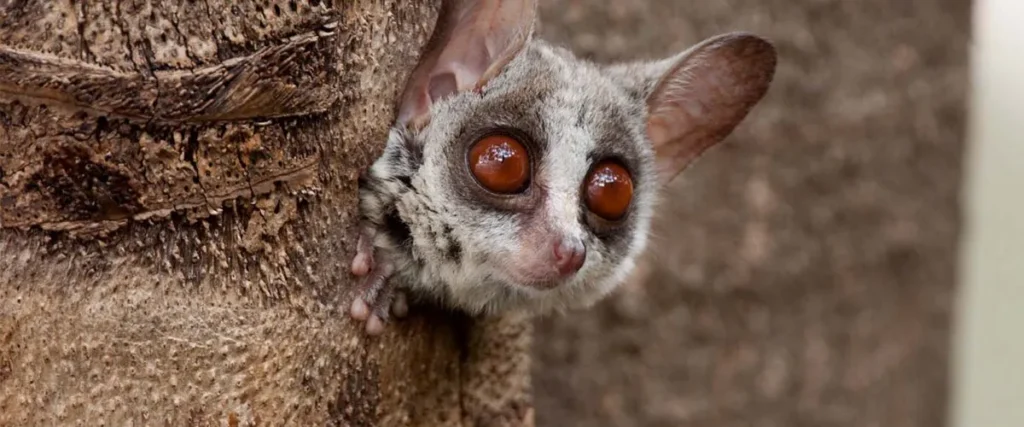
7-Day Uganda Primate Adventure & Wildlife Safari
7-Day Uganda Primate Adventure & Wildlife Safari
10-Day Gorilla Trekking & Big Five Safari in Uganda
10-Day Gorilla Trekking & Big Five Safari in Uganda
12-Day Uganda Gorilla Trekking, Chimp Tracking & Cultural Safari
12-Day Uganda Gorilla Trekking, Chimp Tracking & Cultural Safari
14-Day Best of Uganda Safari – Gorillas, Wildlife, Cultures
14-Day Best of Uganda Safari – Gorillas, Wildlife, Cultures
Cross River Gorilla Conservation and Habitat
Habitat and Distribution
L’Hoest’s monkey, a shy and elusive primate, is a specialist of montane and submontane forests, favoring regions where dense understory and minimal human presence provide both shelter and food. Its distribution closely follows the Albertine Rift, a biologically rich and ecologically complex corridor stretching across parts of Uganda, Rwanda, and the Democratic Republic of Congo. In Uganda, prime habitats include Bwindi Impenetrable Forest and the forested slopes surrounding Mgahinga Gorilla National Park, where thick undergrowth and steep terrain create the perfect environment for these monkeys to thrive while remaining largely hidden from casual observation.
The preference for shaded, humid forest floors and lower strata of the forest makes L’Hoest’s monkeys particularly difficult to spot. Unlike many other guenon species that are more arboreal and visible in the canopy, these monkeys often move cautiously along the forest floor or low branches, using the cover of fallen leaves, ferns, and dense shrubbery to avoid predators and human disturbance. Their reliance on undisturbed forest emphasizes the importance of protected areas and underscores how sensitive the species is to habitat fragmentation and human encroachment.
Physical Characteristics and Social Structure
L’Hoest’s monkeys are medium-sized primates characterized by a striking dark brown to black coat that blends seamlessly with the shaded forest floor. A distinctive white beard or bib adorns the throat, creating a unique facial feature that sets them apart from other guenons. Their long tail, often carried upright, serves as a visual signal within the group and aids in balance while navigating uneven terrain. Strong limbs, agile hands, and a slightly terrestrial body structure reflect their adaptation to life largely on the ground, in contrast to more arboreal relatives.
Socially, L’Hoest’s monkeys live in cohesive groups ranging from 10 to 25 individuals. The groups are generally female-led, with a single dominant male providing protection and leadership. This social organization ensures group cohesion during foraging, aids in coordinating movement through dense forest, and allows for effective defense against predators such as eagles, snakes, or leopards. The female-led dynamics also facilitate knowledge transfer between generations, as older females teach juveniles foraging techniques, predator awareness, and social behaviors crucial for survival in such a demanding environment.
Diet and Foraging
Primarily omnivorous, L’Hoest’s monkeys exhibit a versatile diet that reflects both seasonal availability and forest resources. They feed extensively on fruits, mushrooms, herbs, leaves, and roots, foraging mostly along the forest floor. Occasionally, they supplement their diet with eggs, insects, or small vertebrates, providing essential protein and nutrients. Their terrestrial habits allow them to exploit resources unavailable to strictly arboreal monkeys, and their cautious, deliberate movements during foraging reduce predation risk while maximizing access to hidden food sources.
Group foraging is both a survival strategy and a social activity. The dominant male often surveys the area while females and juveniles search for food, and communication through vocalizations, tail gestures, and facial expressions ensures that the group moves as a coordinated unit, maintaining cohesion while covering a wide area of the forest floor.
Conservation Status
The IUCN currently lists L’Hoest’s monkey as Vulnerable, highlighting the growing threats to its survival. Primary pressures include deforestation for agriculture, logging, and the expansion of human settlements, which fragment and reduce the forest habitats essential to the species. Hunting for bushmeat also poses a significant risk, especially in unprotected regions.
Protected areas such as Bwindi Impenetrable Forest in Uganda and Virunga National Park in the DRC serve as crucial sanctuaries, safeguarding viable populations and providing relatively undisturbed forest corridors for movement and foraging. Conservation initiatives focus on habitat preservation, anti-poaching patrols, and community education programs aimed at reducing hunting pressure and fostering sustainable coexistence between humans and wildlife. These measures are critical to ensuring the long-term survival of the species and maintaining the ecological balance of the forests they inhabit.
Fascinating Facts
Despite their elusive nature, L’Hoest’s monkeys exhibit remarkable adaptations to their forest floor lifestyle. They are more terrestrial than most guenons, a trait that distinguishes them within the primate family. Communication is nuanced, combining vocalizations, subtle facial expressions, and tail gestures to convey alerts, establish hierarchy, or coordinate group movements.
The species’ shy disposition and dense habitat make sightings rare, even for experienced trackers. However, those fortunate enough to observe L’Hoest’s monkeys in the wild often remark on their intelligence, alertness, and social sophistication, highlighting the importance of conserving these lesser-known yet ecologically significant primates.
More Gorilla Trekking Information to Know.
Gorilla trekking goes far beyond just the hike — it’s a deep, emotional journey into the heart of Africa’s last wild rainforests. Knowing the right timing, permits, fitness tips, and park details can turn your experience from good to unforgettable.
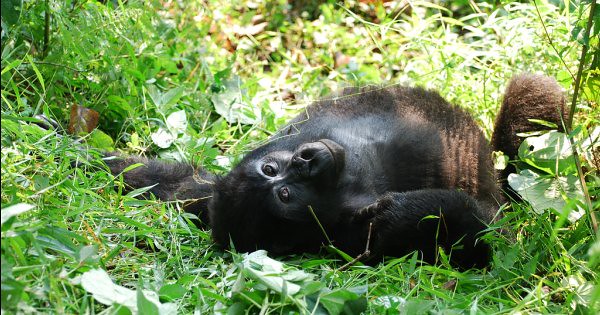
Gorilla Trekking in Bwindi Impenetrable Forest
Gorilla Trekking in Bwindi Impenetrable Forest
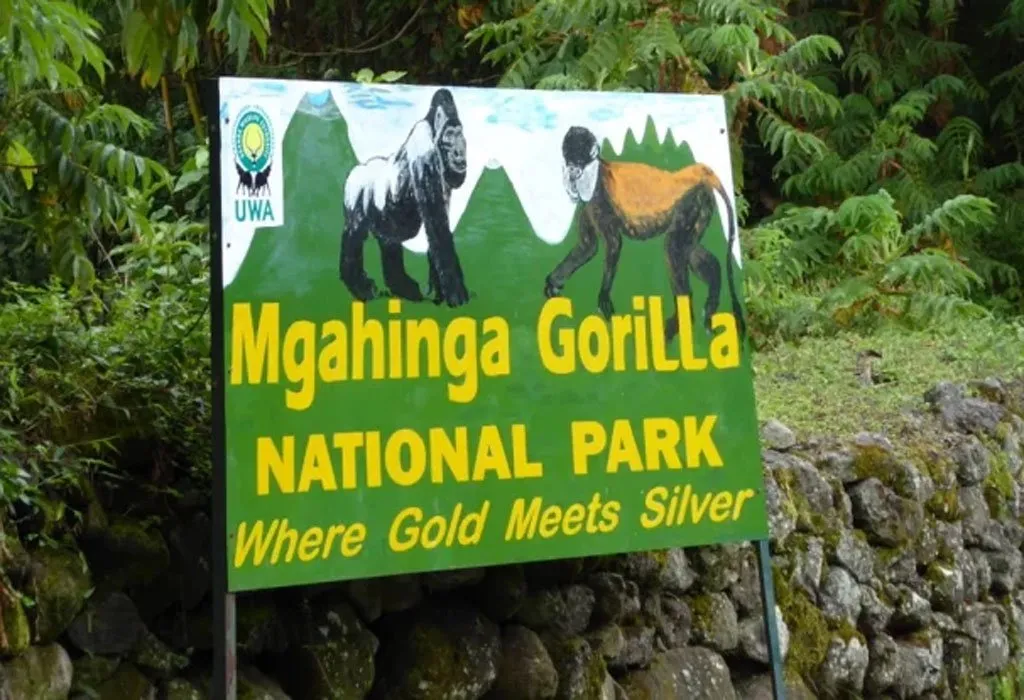
Trekking Gorillas in Mgahinga National Park
Trekking Gorillas in Mgahinga National Park
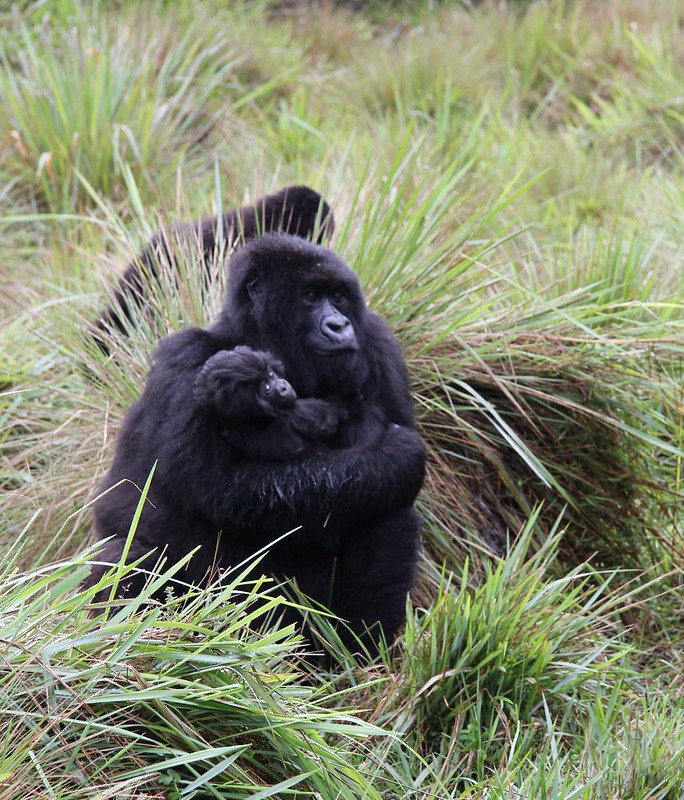
Uganda Gorilla Trekking Permits – Prices, Booking, & Travel Tips
Uganda Gorilla Trekking Permits – Prices, Booking, & Travel Tips

What to Pack for Gorilla Trekking in Uganda – Expert Checklist
What to Pack for Gorilla Trekking in Uganda – Expert Checklist
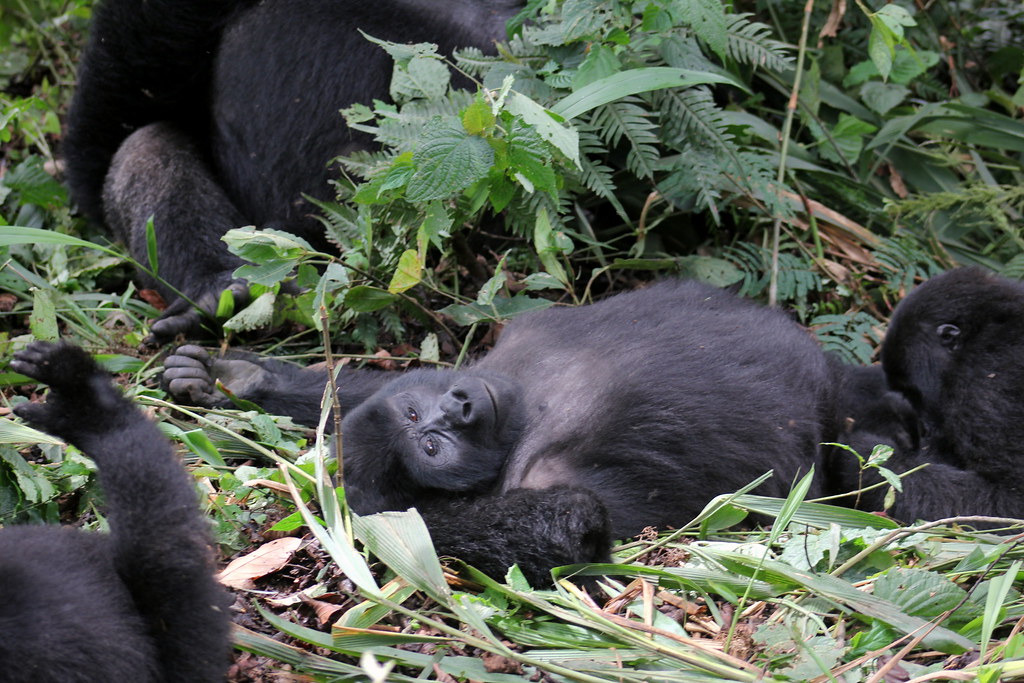
Best Time to Go Gorilla Trekking in Uganda – Weather & Seasons
Best Time to Go Gorilla Trekking in Uganda – Weather & Seasons
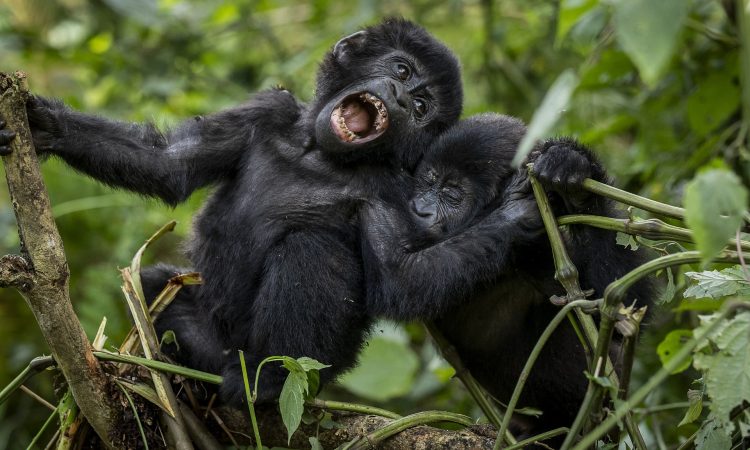
Gorilla Trekking Difficulty in Uganda – Fitness & Trail Guide
Gorilla Trekking Difficulty in Uganda – Fitness & Trail Guide
Gorilla Trekking Rules in Uganda – Safety, Respect & Ethics
Gorilla Trekking Rules in Uganda – Safety, Respect & Ethics
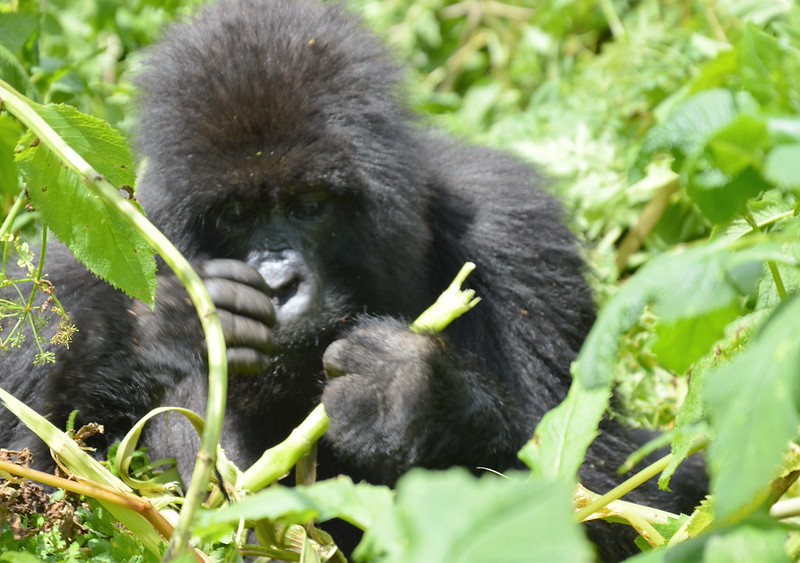
Gorilla Conservation in Uganda – Protecting the Mountain Giants
Gorilla Conservation in Uganda – Protecting the Mountain Giants

Bwindi vs. Mgahinga – Which One to Choose For Gorilla Trekking?
Bwindi vs. Mgahinga – Which One to Choose For Gorilla Trekking?
How to Stay Safe and Healthy While Traveling in Uganda
How to Stay Safe and Healthy While Traveling in Uganda
Routes, Tips & Travel Wisdom for Getting to Bwindi or Mgahinga
Routes, Tips & Travel Wisdom for Getting to Bwindi or Mgahinga

Accommodation Options: Lodges & Camps in Bwindi and Mgahinga
Accommodation Options: Lodges & Camps in Bwindi and Mgahinga
Protecting What You Came to See: Gorilla Conservation & Ethics
Protecting What You Came to See: Gorilla Conservation & Ethics
Travel Insurance for Gorilla Treks: Before You Go
Travel Insurance for Gorilla Treks: Before You Go
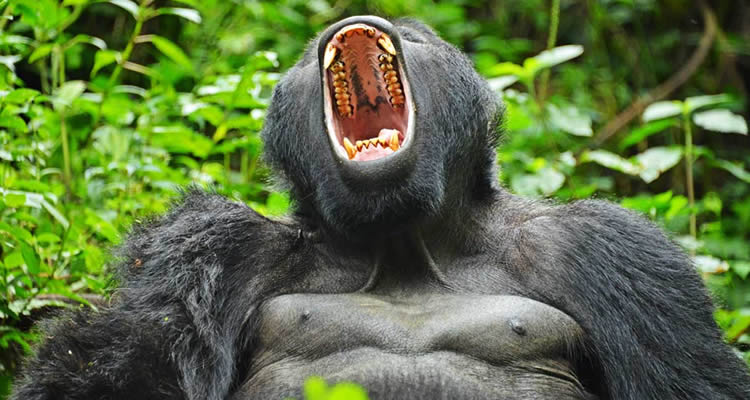
First Time Gorilla Trekking? Here’s Everything I Wish I Knew
First Time Gorilla Trekking? Here’s Everything I Wish I Knew
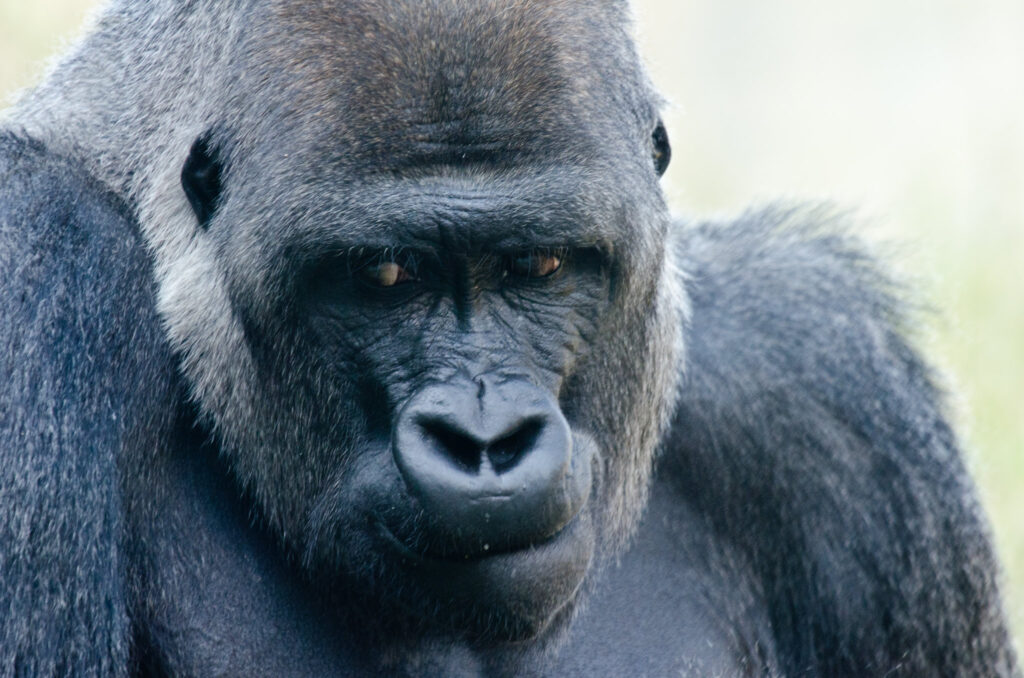
Step by Step: What Happens During a Gorilla Trekking Day
Step by Step: What Happens During a Gorilla Trekking Day
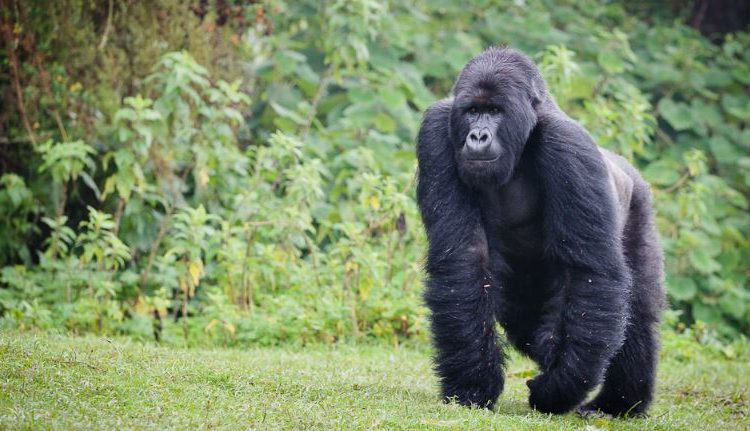
Gorilla Trekking vs. Gorilla Tracking – What’s the Real Difference?
Gorilla Trekking vs. Gorilla Tracking – What’s the Real Difference?
Beyond Gorillas: Other Wildlife You Can See During Your Trek
Beyond Gorillas: Other Wildlife You Can See During Your Trek
In the Realm of Giants – Bwindi & Mgahinga in Frames.
Wander through an elegant gallery capturing Uganda’s most exclusive gorilla sanctuaries, where ancient forests cradle the last mountain gorillas in a world of mist, mystery, and majesty.
Essential Planning Tips for Visiting Uganda’s National Parks.
Get ready for the wild heart of Africa with expert travel tips on when to visit, what to pack, where to go, and how to make the most of your safari across Uganda’s breathtaking national parks.
Why Uganda for Gorilla Trekking?
Uganda is not just a destination — it's the very soul of gorilla trekking. With over half of the world’s remaining mountain gorillas calling its misty forests home, Uganda offers the rarest encounters in their most authentic setting. Here, your journey is not rushed or crowded. Instead, you’re guided by experienced rangers through pristine jungles where gorillas live as they always have — wild, free, and magnificent
From insider travel insights to unforgettable trekking guides, our blog is your trusted path into Uganda’s wild heart — connecting you with mountain gorillas, breathtaking landscapes, and the soul-stirring adventures that make this land unlike any other.